Cat care, explained plainly
MeowWise is a free guide to living well with cats: choosing a breed, everyday care, the health warning signs that need a vet, body language, feeding, kittens and senior cats. Each page answers the main question first and links to the veterinary sources behind it, such as the Cornell Feline Health Center, the AAFP, AAHA and International Cat Care.
Start with cat care basics Is it toxic to cats?Play cat games
Read the Cat, a body language quiz, and Whisker Pairs, a memory match. Free, original, no sign up.
For teachers and students
Free cat printables, NGSS aligned lesson ideas, a quiz with answer key and a list of peer reviewed papers. No sign up needed.
Is this plant toxic to cats?
Lilies first: check cut flowers, houseplants, essential oils and household products, with sources.
Breeds compared
Coats, traits and the inherited conditions to ask a breeder about.
Everyday care
Litter boxes, scratching, play, grooming and a cat friendly home.
Health and warning signs
Vaccines, checkups, poisons and the signs that mean go to a vet now.
Behavior and body language
Tails, ears, slow blinks, purring, kneading and scratching.
Nutrition
What cats need, wet vs dry, treats, weight and foods to avoid.
Kittens
Socialization, vaccines, neutering and the first year.
Senior cats
When a cat is senior, common age related diseases and home changes.
Myths vs facts
Milk, landing on their feet, purring and more, checked.
Glossary
Plain definitions of the terms vets and breeders use.
Blog
Answer first posts on the questions cat owners ask most.
Everyday care that fits your cat
Good care is mostly small, steady habits: fresh water, a clean litter box, safe places to hide and climb, play every day and a yearly vet check. Our cat care guide turns the AAHA, AAFP and International Cat Care advice into a simple routine.
Kittens grow fast
The first weeks shape a cat for life. See what kittens need from socialization to vaccines in the kitten guide, then follow your cat into later life with our senior cat page.
Learn to read your cat
A slow blink, a tail held high or flattened ears all say something. The behavior guide explains the signals and the research behind them.
Cute cats, real photos




Four facts every cat owner should know
- Lilies can kill cats. True lilies and daylilies can cause fatal kidney failure, even from pollen or vase water. Lilies and cats.
- A cat straining to pee and passing little or nothing is an emergency, especially a male cat. Why urinary blockage cannot wait.
- Cats are obligate carnivores. They rely on nutrients found only in animal products, such as taurine. Cat nutrition.
- Vets class cats over 10 as seniors and recommend checkups at least every six months from then. Senior cat care.
Latest from the blog
- Why do cats get the zoomies?
AI-generated
Cats get the zoomies as short play sprints called FRAPs. When a mad dash is normal, and when a change needs a vet.  How to introduce two cats safely
Photo
A practical, low-stress guide to introducing cats using separate rooms, scent exchange, barriers and carefully paced meetings.- Why do cats lie in the sun?
AI-generated
Cats sunbathe because they are comfortable at warmer temperatures than people. What vets say, why it is not vitamin D, and how to keep a sun lover safe. 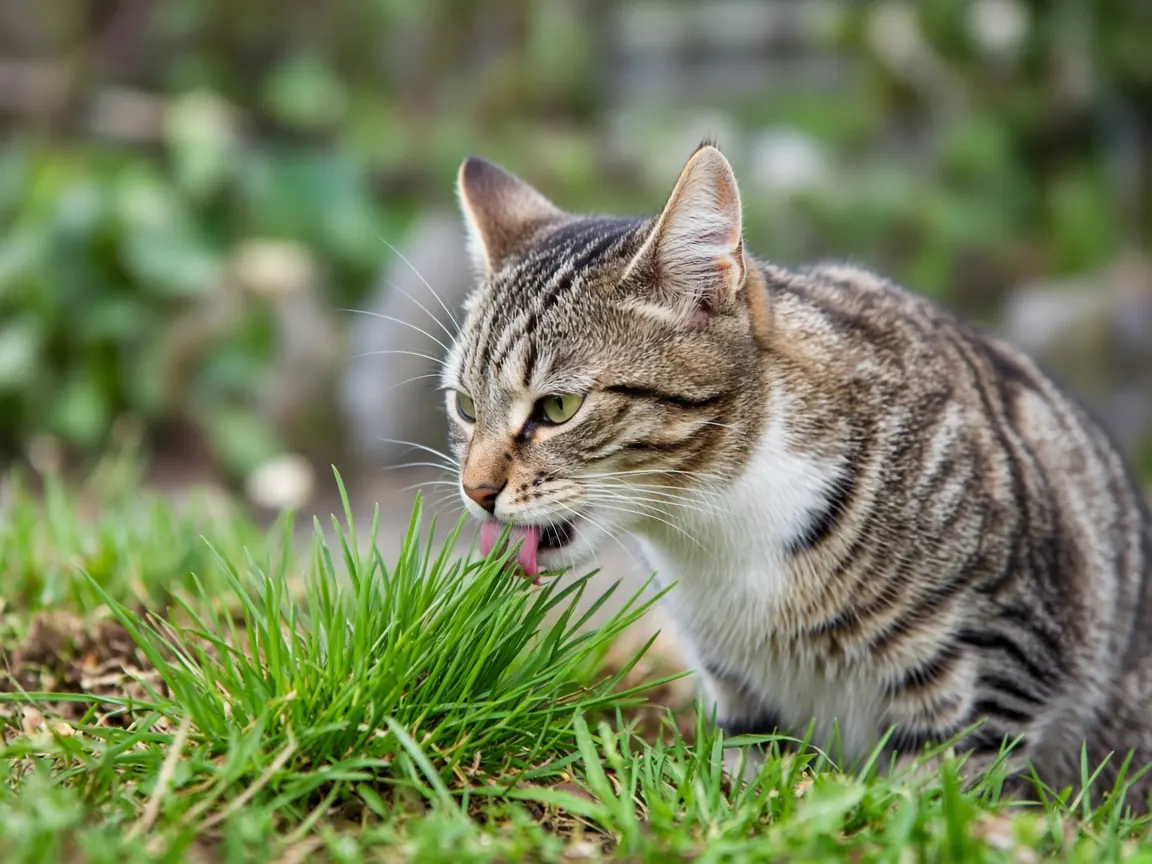 Why do cats bring you dead animals?
AI-generated
Cats bring home prey because of hunting instinct, not hunger. The leading theories, what vets say it means, and how to reduce it safely.- Why do cats headbutt you?
AI-generated
Cats headbutt, or bunt, to rub scent from facial glands onto you. It is a sign of trust and bonding, not a challenge. 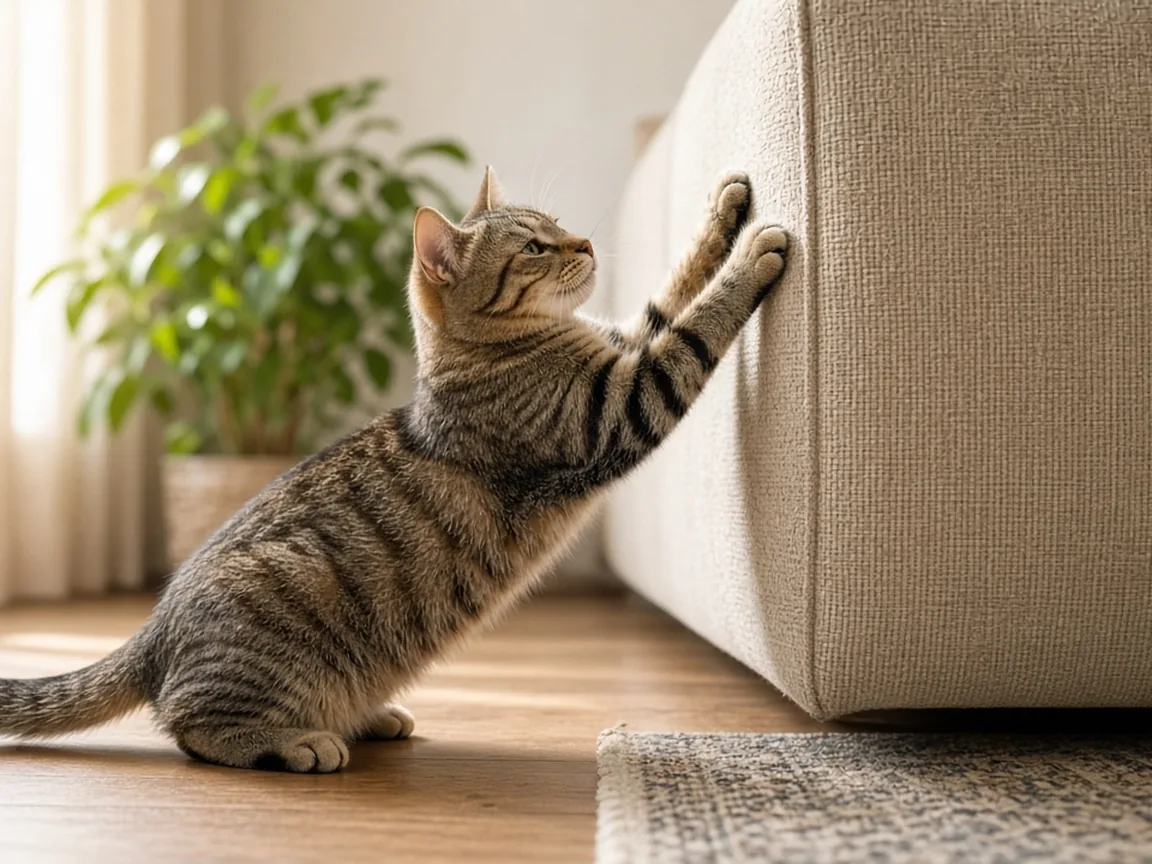 Why do cats scratch furniture?
AI-generated
Cats scratch furniture to mark familiar places, maintain their claws and stretch. Matching scratching posts to their preferences helps.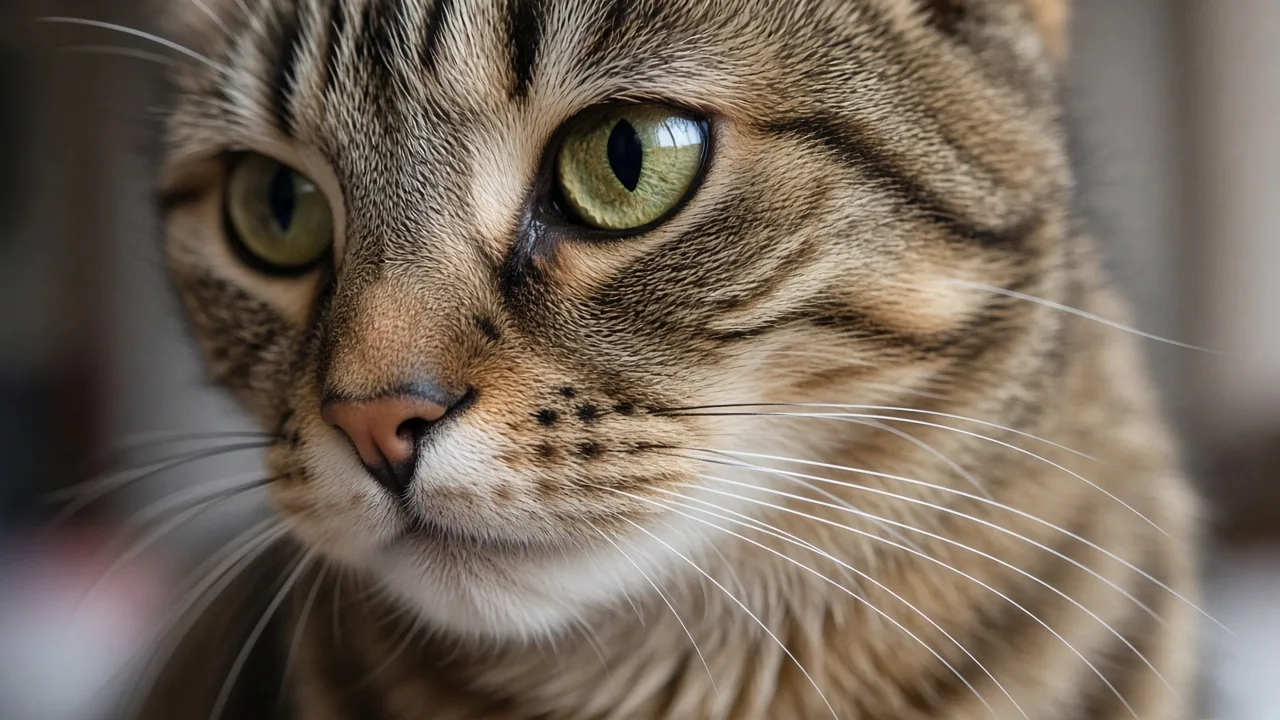 What are cat whiskers for?
AI-generated
Cat whiskers are touch sensors, not ordinary hairs. How whiskers work, what cats use them for, and why you should never trim them.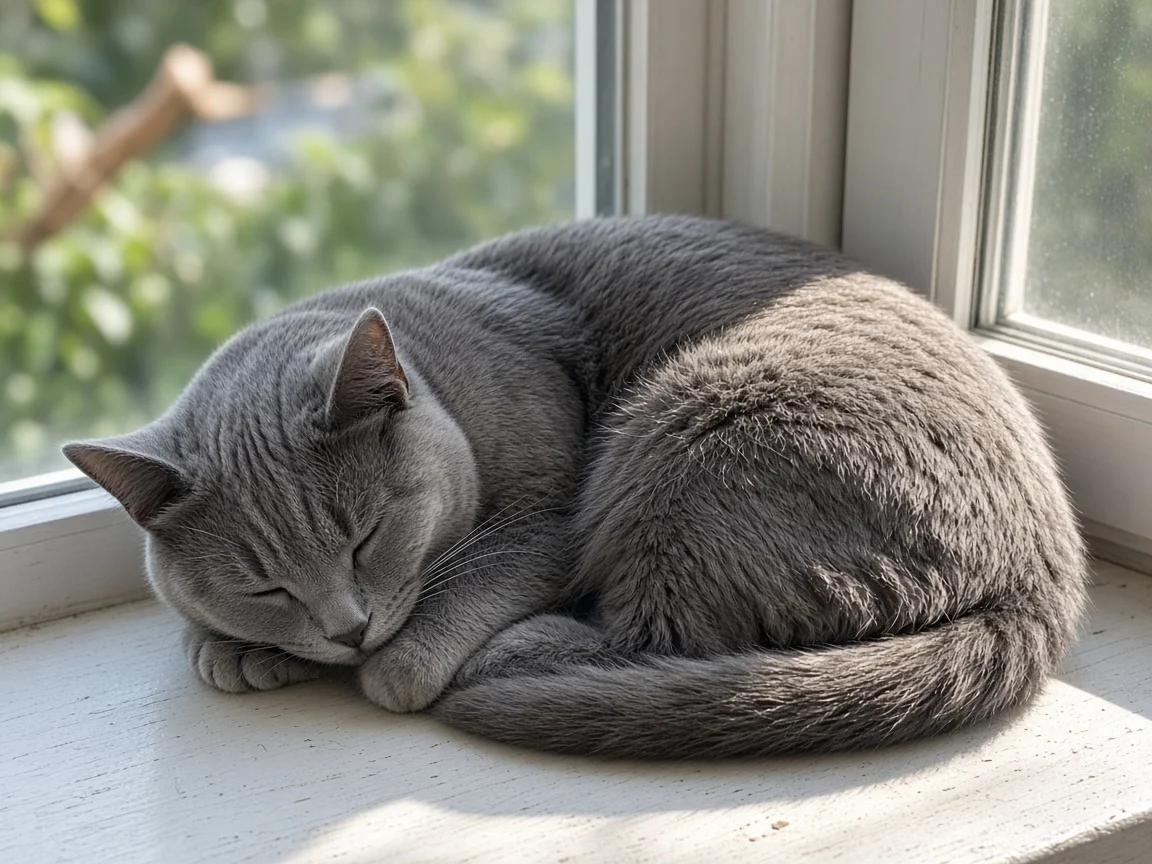 Why do cats sleep so much?
AI-generated
Healthy adult cats often sleep 12 to 16 hours a day in short bursts. Here is what veterinary and sleep research say about cat sleep, REM, and when more sleep is a warning sign.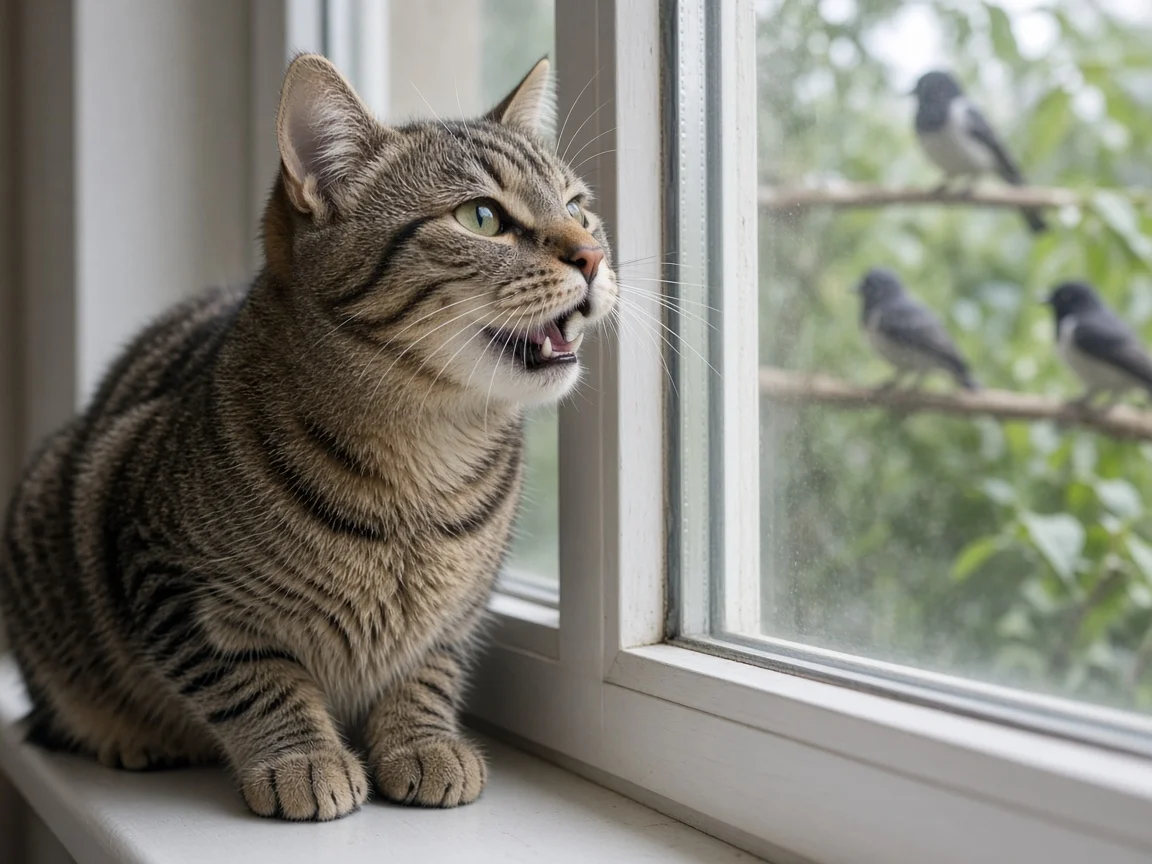 Why do cats chirp and chatter?
AI-generated
Cats chirp, chatter and chatter their teeth at birds and prey they can see but not reach. Here is what behavior guides and research say about this hunting vocalization.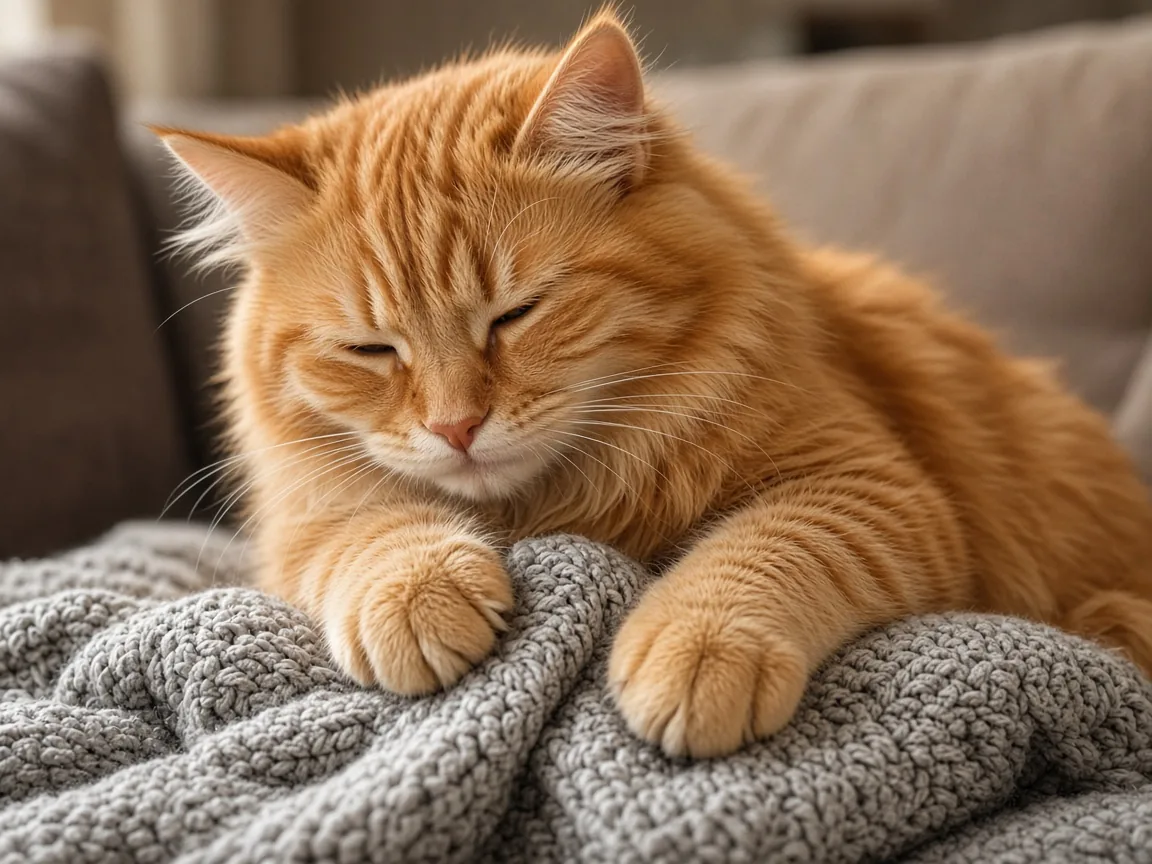 Why do cats knead?
AI-generated
Cats knead because kittens tread with paws to help milk flow while nursing. Here is what the research says about why adult cats keep doing it.- How do cats drink water?
Cats drink by touching only the top of the tongue tip to the water and pulling a column of water up fast, about four laps a second. Here is what the research shows, plus fountains and wet food. - Where do cats like to be petted?
Studies of stroking and petting show most cats respond best to touch around the cheeks, chin and base of the ears, and worst to touch near the base of the tail. - Why do cats' eyes glow?
Cats' eyes glow because a mirror-like layer behind the retina, the tapetum lucidum, bounces light back through the photoreceptors, giving them a second chance to catch it in dim light.  How do I stop my cat hunting?
Photo
In a UK trial, a high meat food cut prey brought home by 36% and 5 to 10 minutes of daily play by 25%. Bells gave mixed results across studies, and bright collar covers cut birds by 42%. Here is what the peer reviewed evidence shows.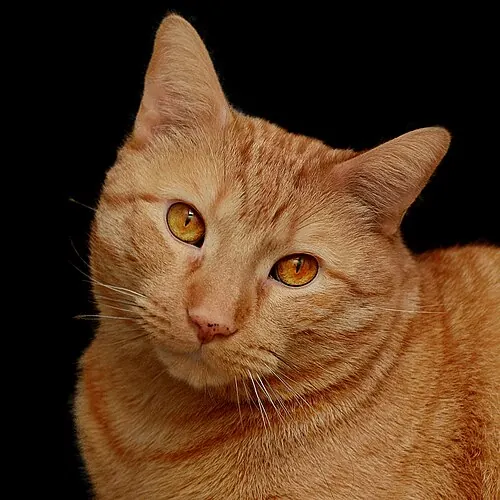 Why are orange cats usually male?
Photo
The orange color gene sits on the X chromosome, so a male cat needs one copy to be orange and a female needs two. In 2025 two research teams found the gene behind it: a small deletion that switches on ARHGAP36.- Are cats left or right pawed?
Most adult cats favor one paw for tricky tasks, but cats as a whole are not right pawed like people. In studies from Queen's University Belfast, female cats tended to use the right paw and male cats the left. - Why do cats eat grass?
AI-generated
Most cats eat grass or other plants, and it is usually normal. In two surveys of cat owners, about 9 in 10 cats looked well before eating plants and only about a third often vomited afterwards; researchers think the habit is an instinct inherited from wild ancestors. 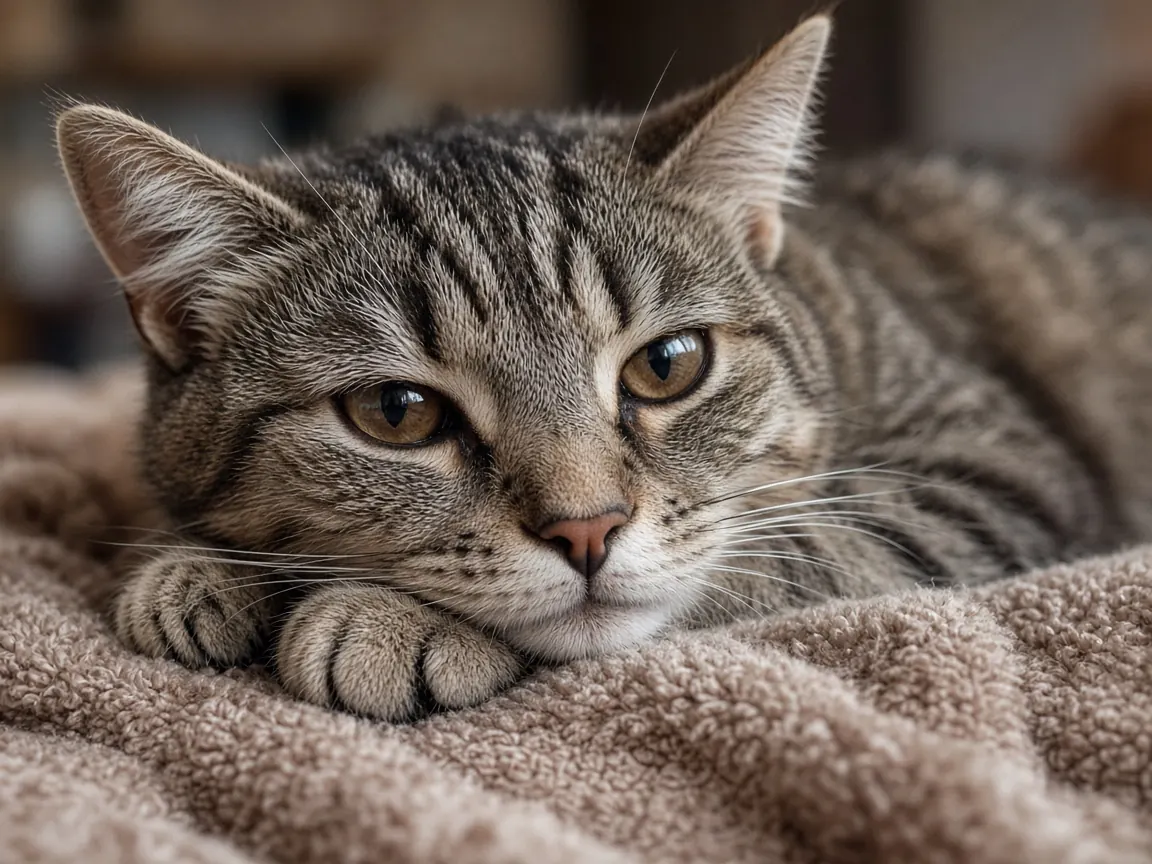 How long do cats live?
AI-generated
Pet cats live about 12 to 14 years on average. UK vet records give a life expectancy at birth of 11.7 years and a median age at death of 14; females, crossbreds and neutered cats tend to live longer, and many reach their late teens.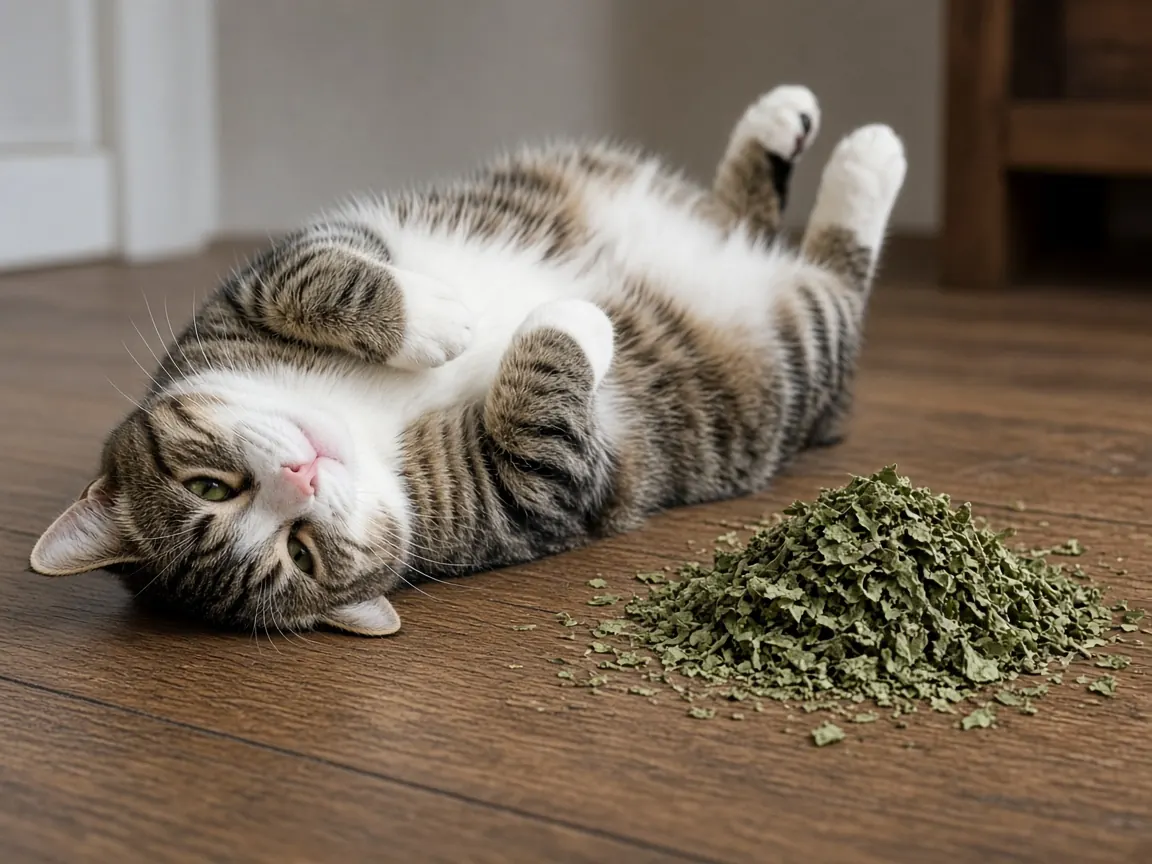 Why do cats like catnip?
AI-generated
Cats rub and roll on catnip because its scent triggers a feel good opioid response, and studies show the rubbing coats their fur in plant chemicals that repel mosquitoes. About one in three cats does not react.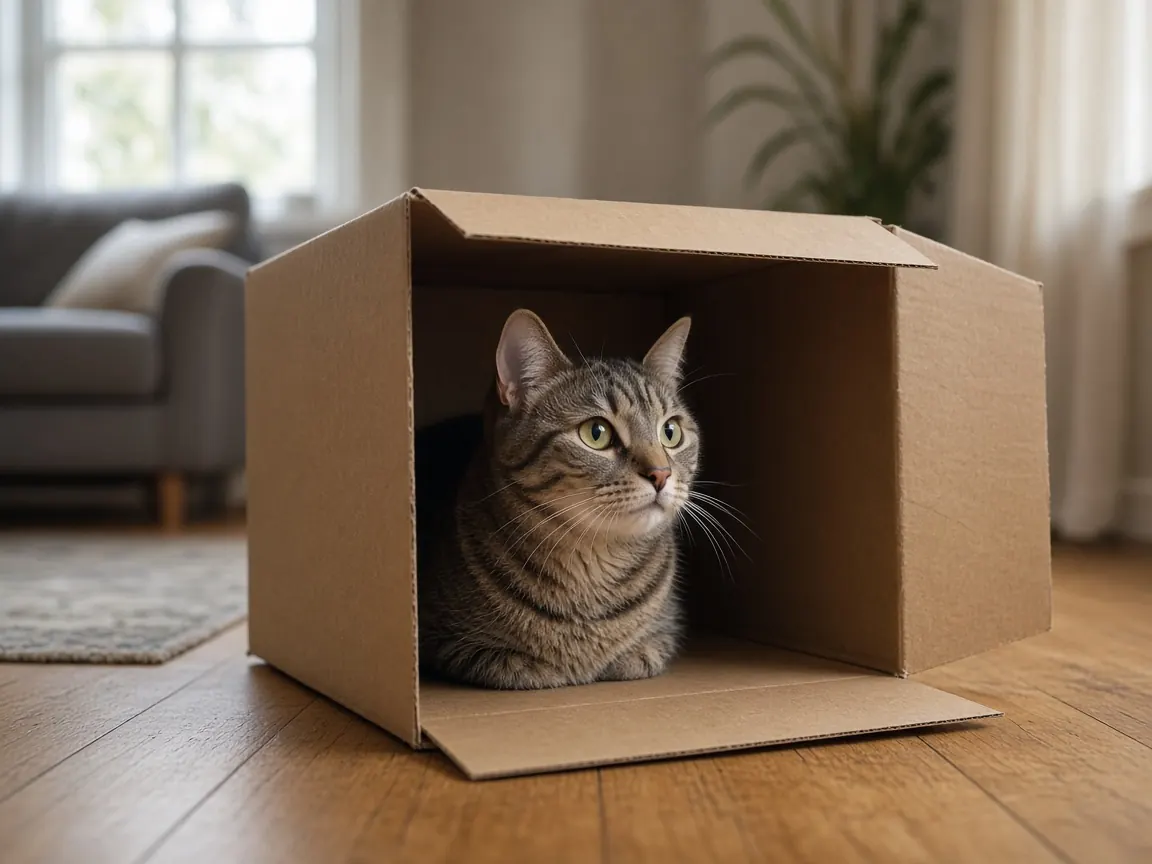 Why do cats like boxes?
AI-generated
Cats like boxes because an enclosed space gives them a safe place to hide and settle. Shelter studies found hiding boxes cut stress in newly arrived cats, and cats will even sit in an illusory square outline.- Why do cats meow at humans?
AI-generated
Adult cats mainly meow at people, not other cats. Domestic meows sound shorter and higher pitched than wildcat cries, and house cats use them as flexible attention getters shaped by life with humans. 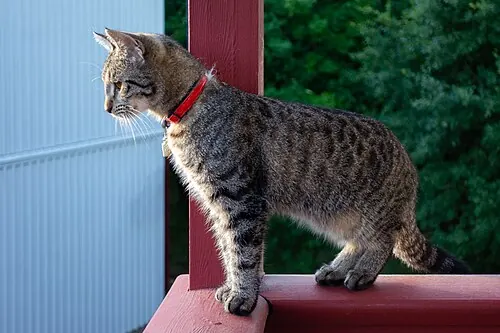 How do cats land on their feet?
Photo
Cats use an air righting reflex: bend the spine without twisting the torso, reorient with near zero angular momentum, and rely mainly on the vestibular system. Kittens usually mature the reflex by about five weeks.- Can cats see color?
Yes, but not like most people. Cats are dichromats with two cone types (peaks near 460 nm and 560 nm) and a neutral point near 505 nm, similar to human red-green color blindness. - Can cats taste sweet?
No. Cats carry a broken copy of the Tas1r2 gene, so they cannot build a sweet taste receptor. They do taste umami, bitter, sour and salt, and umami is their main "tasty" signal. - Why do cats purr?
Cats purr when content, to keep contact, to ask for food and sometimes when stressed or hurt. A 2023 study showed cat larynges can make purr frequencies with no nerve signal at all. - Do cats love their owners?
Most cats do bond with their people. A 2019 study found about 65% of kittens and adult cats were securely attached to their owner, close to the rate in human babies. - Why do cats slow blink?
A cat's slow blink is a relaxed, positive signal. A 2020 study found cats slow blink back at people and approach strangers who slow blink. How to slow blink at a cat. - How often should a cat see the vet?
AI-generated
At least once a year. From age 10, AAFP senior guidelines say every six months, and every four months after 15. - How many litter boxes per cat?
The rule is one litter box per cat plus one, in separate places. Here is why, what size and litter to choose, where to put boxes, and when the rule is not enough. - Do cats know their names?
Yes. A 2019 study found household cats tell their own name apart from other words, even from a stranger. A 2022 study found cats also learn housemates' names. 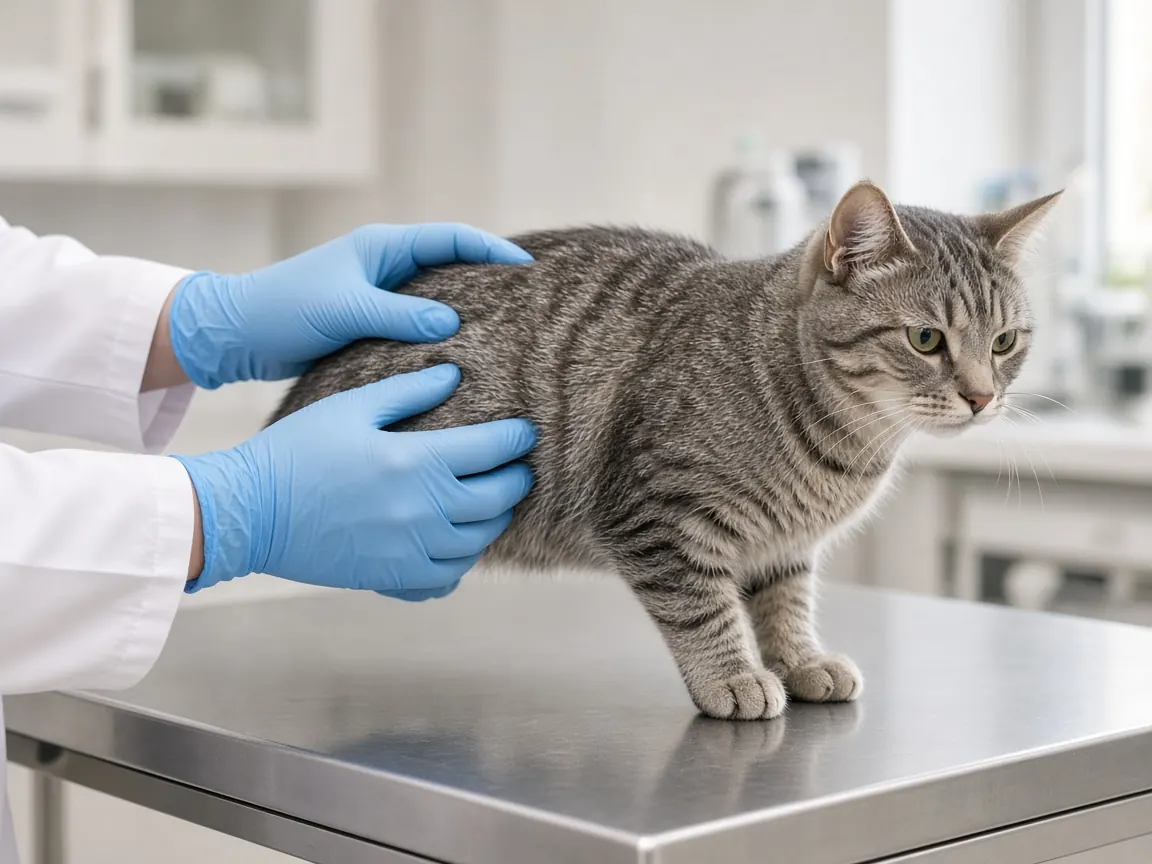 Cat straining to pee: emergency signs
AI-generated
Go now. A cat straining with little or no urine, especially a male, may be blocked. Cornell says that can be fatal within 24 to 48 hours.- Are lilies poisonous to cats?
Yes. True lilies and daylilies can cause fatal kidney failure in cats from a leaf, pollen or vase water. Call a vet now.